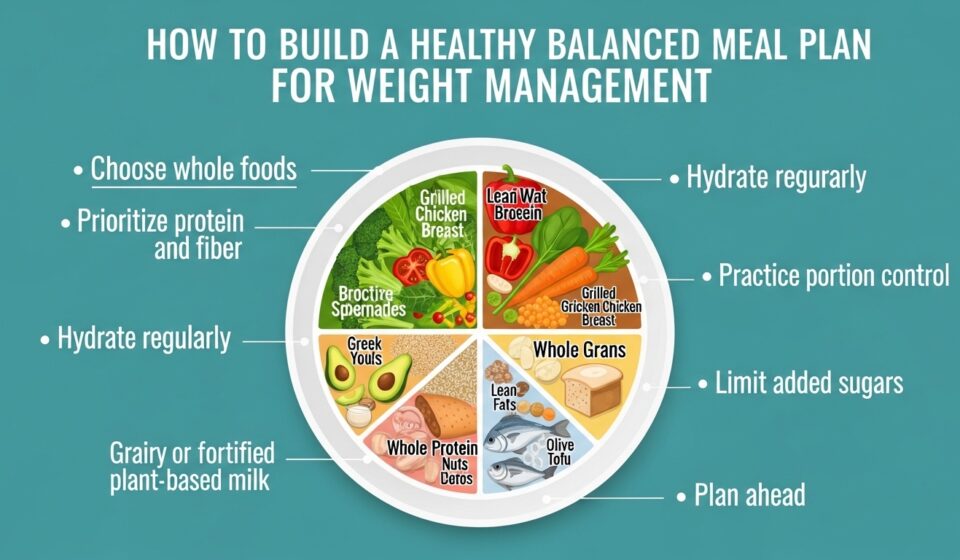

A healthy balanced meal plan is one of the most effective ways to manage weight without extreme dieting or starvation. Instead of focusing on quick fixes, a proper meal plan helps you build long-term habits that support your body’s nutritional needs while controlling calorie intake. The goal is not just weight loss but maintaining energy, improving health, and creating a sustainable eating routine. In this guide, you’ll learn how to build a balanced meal plan for weight management step by step in a simple and practical way.
1. Understand Your Daily Calorie Needs
The first step in building a meal plan is understanding how many calories your body needs. Everyone’s calorie requirement is different depending on age, gender, activity level, and metabolism. To manage weight, you need to consume slightly fewer calories than you burn. This creates a calorie deficit, which helps in fat loss over time. However, the deficit should not be extreme, as very low-calorie diets can slow metabolism and cause fatigue. A moderate and balanced approach is always better for long-term results.
2. Include All Major Food Groups
A balanced meal plan must include all essential food groups to ensure your body gets proper nutrition. These include carbohydrates, proteins, fats, vitamins, and minerals. Carbohydrates provide energy, proteins support muscle growth and repair, and healthy fats are important for brain function and hormone balance. Fruits and vegetables supply essential vitamins, minerals, and fiber. Avoid eliminating entire food groups unless advised by a professional, as this can lead to nutrient deficiencies.
3. Focus on Portion Control
Portion control is more important than completely restricting foods. Even healthy foods can lead to weight gain if eaten in large quantities. Learning to control portion sizes helps you enjoy a variety of foods while staying within your calorie limit. A simple method is to use smaller plates, measure servings, and avoid eating directly from large packets. Listening to your body’s hunger and fullness signals also helps prevent overeating.
4. Prioritize Protein in Every Meal
Protein plays a key role in weight management because it keeps you full for longer and helps preserve muscle mass during fat loss. Including protein in every meal reduces cravings and prevents unnecessary snacking. Good protein sources include eggs, chicken, fish, lentils, beans, yogurt, and tofu. A protein-rich diet also supports metabolism, making it easier for your body to burn calories efficiently.
5. Choose Healthy Carbohydrates
Carbohydrates are often misunderstood, but they are an important part of a healthy diet. The key is to choose complex carbohydrates instead of refined ones. Complex carbs like whole grains, oats, brown rice, quinoa, and whole wheat bread provide long-lasting energy and keep you full for longer periods. Refined carbs like white bread, sugary snacks, and processed foods should be limited as they cause quick spikes in blood sugar and increase hunger.
6. Include Healthy Fats
Healthy fats are essential for overall health and should not be avoided in a weight management plan. They support brain function, hormone production, and nutrient absorption. Sources of healthy fats include nuts, seeds, olive oil, avocados, and fatty fish like salmon. The key is moderation, as fats are calorie-dense, but they are still an important part of a balanced diet.
7. Add Plenty of Fruits and Vegetables
Fruits and vegetables should make up a large portion of your daily meal plan. They are low in calories but high in fiber, vitamins, and antioxidants. Fiber helps improve digestion and keeps you full for longer, which is very helpful for weight control. Aim to include a variety of colorful vegetables and fruits to ensure a wide range of nutrients in your diet.
8. Plan Your Meals in Advance
Meal planning is one of the most effective strategies for maintaining a healthy diet. When you plan your meals ahead of time, you are less likely to make unhealthy food choices. It also helps you control portions and avoid last-minute fast food or junk food. You can prepare a weekly menu, shop for ingredients in advance, and even cook meals in batches to save time during busy days.
9. Stay Hydrated Throughout the Day
Water plays a crucial role in weight management. Drinking enough water helps control appetite, improves digestion, and supports metabolism. Sometimes, thirst is mistaken for hunger, leading to unnecessary eating. Drinking water before meals can also help reduce calorie intake. Avoid sugary drinks and sodas, as they add extra calories without providing nutritional value.
10. Allow Flexibility and Occasional Treats
A healthy meal plan should not feel restrictive or boring. Completely avoiding your favorite foods can lead to cravings and overeating later. Instead, allow yourself occasional treats in moderation. This flexible approach makes your diet more sustainable and easier to follow in the long run. The key is balance, not perfection.
Final Thoughts
Building a healthy balanced meal plan for weight management is not about strict dieting but about creating a sustainable and nutritious lifestyle. By understanding your calorie needs, focusing on portion control, including all food groups, and choosing healthier food options, you can manage your weight effectively without feeling deprived. Consistency is the most important factor—small daily habits lead to long-term success. When combined with regular physical activity and proper hydration, a balanced meal plan becomes a powerful tool for achieving and maintaining a healthy body.