
Staying consistent with a healthy lifestyle is one of the biggest challenges people face. Most beginners start with strong motivation, but after a few days or weeks, they struggle to maintain the same energy. The truth is, success in fitness and health is not about doing extreme things—it is about doing simple things consistently over time.
In 2026, with busy routines, digital distractions, and fast food culture, building consistency has become even more important. The good news is that you do not need a perfect routine. You just need habits that are realistic, flexible, and sustainable.
Start With Small and Realistic Goals
One of the most common mistakes people make is setting overly ambitious goals. For example, going from no exercise to daily intense workouts or completely changing diet overnight. This often leads to burnout and quitting.
Instead, start small:
- Walk 15–20 minutes daily
- Add one healthy meal per day
- Drink more water gradually
- Exercise 3–4 times a week instead of every day
Small wins build confidence and make it easier to stay consistent long-term.
Create a Simple Daily Routine
A structured routine helps remove confusion and decision fatigue. When you already know what to do, you are less likely to skip it.
A basic healthy routine can include:
- Morning stretch or light exercise
- Balanced breakfast
- Short walk during the day
- Planned workout session
- Fixed sleep schedule
Keep it simple so it fits your lifestyle instead of disrupting it completely.
Focus on Progress, Not Perfection
Many people give up because they think missing one workout or eating one unhealthy meal ruins everything. This “all or nothing” mindset is harmful.
Healthy living is about long-term progress:
- One bad day does not ruin your journey
- Consistency over weeks matters more than perfection daily
- Flexibility helps prevent burnout
Instead of aiming for perfection, aim for improvement.
Build Habits, Not Temporary Motivation
Motivation is temporary, but habits last longer. If you rely only on motivation, you will struggle when it fades.
To build strong habits:
- Do the same activity at the same time daily
- Link new habits with existing routines (e.g., walk after dinner)
- Start with easy actions first
- Repeat until it becomes automatic
Over time, healthy habits feel natural instead of forced.
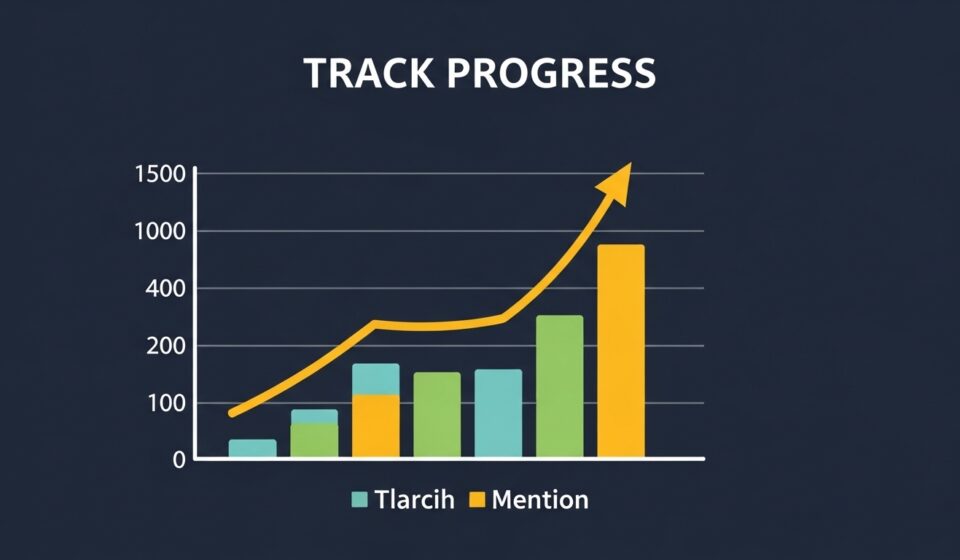
Track Your Progress Regularly
Tracking progress keeps you aware of your improvements and helps maintain motivation.
You can track:
- Body measurements
- Weight changes (if relevant)
- Workout consistency
- Energy levels
- Daily habits
Even simple tracking in a notebook or phone app can make a big difference.
Keep Your Environment Supportive
Your environment plays a huge role in your lifestyle choices. If unhealthy options are always available, it becomes harder to stay consistent.
Try to:
- Keep healthy snacks at home
- Remove unnecessary junk food triggers
- Prepare meals in advance when possible
- Keep workout clothes visible to stay motivated
A supportive environment reduces effort and increases consistency.
Don’t Overcomplicate Your Diet or Workout
Many beginners fail because they follow complicated plans they cannot maintain. Simplicity is more effective than complexity.
Healthy lifestyle basics:
- Eat more whole foods
- Include protein, fruits, and vegetables
- Avoid excessive sugar and processed food
- Do a mix of cardio and strength training
Simple plans are easier to repeat every day.
Manage Your Time Smartly
Lack of time is one of the most common excuses for inconsistency. However, most people struggle with time management, not actual time availability.
Helpful strategies:
- Schedule workouts like appointments
- Use short workouts (20–30 minutes) when busy
- Prepare meals in advance
- Reduce unnecessary screen time
When health becomes a priority in your schedule, consistency improves naturally.
Allow Flexibility and Rest Days
Being too strict often leads to failure. Your body and mind need rest to recover.
Healthy consistency includes:
- Planned rest days
- Flexible eating habits
- Adjusting routines when needed
- Listening to your body
Rest is not laziness—it is part of progress.